
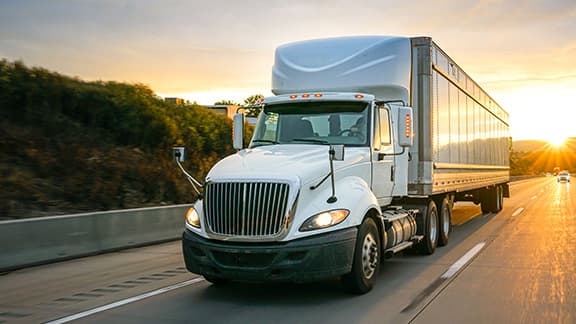
Over the past several years, trucking companies have grappled with a perfect storm of economic, regulatory, and operational challenges that have reshaped the industry. From the volatility of fuel prices to rising insurance premiums and the growing pains of adopting new technologies, the road has been anything but smooth. The pandemic disrupted supply chains, caused equipment shortages, and intensified labor issues. After the COVID-19 surge, freight volumes cooled while operating costs stayed elevated, compressing margins across carriers and brokers. These challenges continue to force carriers, both large and small, to shut down amid unsustainable operating conditions. For those strong enough to withstand the downturn, the realization of an aging owner and workforce adds additional complexity.
Succession is an inevitable challenge for many trucking companies and their owners. Those who postpone planning until an unforeseen event arises risk limited options, insufficient time to respond, and a potential decline in business value. By contrast, proactive succession planning helps provide clarity and confidence, increases the likelihood of a successful transition, and helps preserve both wealth and long-term financial stability.
An employee stock ownership plan (ESOP) represents one of several succession planning strategies available to trucking company business owners. Although an ESOP may not suit every organization, it can serve as a compelling option for many companies. This article is the first in a series exploring ESOPs for the trucking industry.
What Is an ESOP?
An ESOP is a qualified defined contribution retirement plan established under the Employee Retirement Income Security Act of 1974 (ERISA). Unlike a Section 401(k) plan, which typically invests in a range of securities, an ESOP is designed to invest primarily in the stock of the sponsoring company. ESOPs also benefit from a unique legal provision that allows the retirement plan to borrow funds to acquire employer stock.
According to the National Center for Employee Ownership (NCEO), there are now approximately 6,500 ESOPs in the U.S. covering nearly 15 million employees and holding more than $1.8 trillion in assets.1
A defining structure of ESOPs is the leveraged ESOP, in which the plan borrows money to purchase company shares. This structure resembles a leveraged or management buyout but may provide significant tax advantages and enable broad-based employee participation in future company growth. ESOPs can acquire any percentage of company stock, and many businesses elect to become 100% ESOP-owned S corporations to maximize tax savings. Ownership transitions may occur in a single transaction or through multiple stages.
Note that when an owner sells shares to an ESOP, employees do not become direct shareholders. Instead, the ESOP trust holds legal title to the shares, while employees hold a beneficial interest in the value of stock allocated to their retirement accounts. This distinction ensures that the ESOP trustee retains voting rights in most circumstances, maintaining proper governance and compliance.
Five Key Drivers for Transition to ESOP
Over the coming months, we will continue our series by exploring the five key drivers behind why trucking companies may choose to transition to ESOP ownership. We’ll break down each of the following benefits in detail: preserving company legacy, tax benefits for selling shareholders, significant corporate tax advantages, competitive executive compensation structures, and meaningful employee rewards.
Forvis Mazars understands how critical it is to consider various ESOP matters when developing plans for the future. If you have any questions or need assistance, please reach out to one of our professionals.
- 1“Employee Stock Ownership Plan (ESOP) Facts,” esop.org, 2025.