
The One Big Beautiful Bill Act (OBBBA), signed into law by President Donald Trump on July 4, 2025, made sweeping changes to many of the clean energy tax credits enacted by the Inflation Reduction Act of 2022 (IRA). A detailed overview of those changes and their impacts to taxpayers can be found in our FORsights™ article, Impact of OBBBA on IRA Clean Energy Credits.
The changes to the IRA clean energy tax credits also have significant impacts on governments and other tax-exempt entities. Although tax credits are traditionally beneficial to taxable entities, the direct pay election allows these credits to be an option for qualifying entities in the public sector. It is important to note that the OBBBA did not make changes to the availability of the direct pay election for the IRA clean energy credits. Further, tax-exempt entities must complete Form 990-T to claim the credits one registration is complete. For more on direct pay, the registration process, and other guidance, see our FORsight here.
The following credits and deductions have been potential opportunities to the public sector—either via direct pay or another mechanism. Therefore, it’s important to understand how these incentives are changing based on adjustments from the OBBBA.
Credits & Deductions Repealed
Several incentives applicable to governmental and tax-exempt entities were repealed in the OBBBA.
Section 45W – Commercial Clean Vehicle Credit
Tax-exempt organizations can qualify for this credit when they purchase a qualifying vehicle under §45W. However, the OBBBA repealed this credit for vehicles purchased after September 30, 2025. For those placing in service vehicles before this date, the vehicles must still meet the applicable requirements, e.g., be made by a qualified manufacturer and meet battery capacity requirements. For more on the calculation and requirements of this credit, see our FORsight here.
§30C – Alternative Fuel Vehicle Refueling Property Credit
Tax-exempt and government entities may qualify for this credit when they purchase and install qualified refueling and recharging equipment. The OBBBA repealed this credit for property placed in service after June 30, 2026. Often referred to as the “charging station” credit, there are various requirements for what property qualifies. For example, the refueling property must be located in an eligible census tract (in a low-income community or that is not in an urban area). For more on the requirements of this property, see our FORsight here.
§179D – Energy Efficient Commercial Building Deduction
Tax-exempt and government entities can leverage this deduction by allocating it to the designers of Energy Efficient Commercial Building Property (EECBP) or Energy Efficient Commercial Building Retrofit Property (EEBRP). The OBBBA repealed this deduction for projects that begin construction after June 30, 2026.
As a reminder, to claim the deduction, EECBP and EEBRP must be part of:
- Interior lighting systems
- HVAC systems
- Hot water systems
- Building envelope
For more on the §179D deduction and OBBBA’s impact on this opportunity, see our FORsight here.
§45Y & 48E— Clean Electricity Investment & Production Credits
The OBBBA also made changes to the Clean Electricity Production Tax Credit (PTC) under §45Y and to the Clean Electricity Investment Tax Credit (ITC) under §48E.
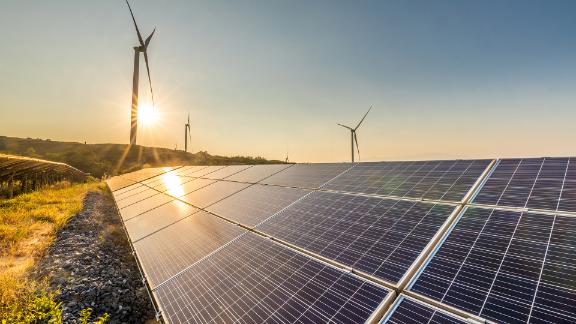
While the credits remain available for many types of property, one of the biggest changes from the OBBBA applies to wind and solar facilities. To claim the credit for wind and solar facilities:
- If construction begins by July 4, 2026, the facilities must be placed in service at the latest December 31, 2030.
- If construction begins after July 4, 2026, the facilities must be placed in service by December 31, 2027.
Other eligible projects like geothermal, biogas, and battery storage can obtain the credit by beginning construction prior to December 31, 2033. Projects beginning after that date are eligible for reduced credits, and are phased out completely by 2036.
Regardless of property type, the OBBBA incorporated restrictions on the involvement of certain prohibited foreign entities—whether it be due to ownership, payments, or material assistance. Property that previously qualified may no longer, depending on where its components are sourced. These rules are complex—reach out to your experienced Forvis Mazars professional for more on this topic.
President Trump issued an executive order titled “ ,” which directs the Secretary of the Treasury to strictly enforce the termination of 45Y and 48E for wind and solar credits. The executive order also directs the Secretary of the Treasury to issue revised guidance to prevent the “beginning of construction” (BOC) from being manipulated to take advantage of the tax credit. Notice 2025-42 was issued on August 15, 2025, in response to this executive order. Previously, there were two accepted methods for establishing a BOC date. Generally speaking, this notice negates the ability to use the “5% safe harbor” for BOC, potentially making it more difficult for some entities to meet the previously mentioned OBBBA timing requirements for solar and wind facilities.
How Forvis Mazars Can Help
While some credits and deductions are ending or phasing out over the next several years, there is still time for tax exempt and government entities to take advantage of them. It is important to carefully consider the eligibility requirements and relevant deadlines for these credits and deductions when planning to make capital investments in clean energy. For the government or tax-exempt entity interested in taking advantage of clean energy credits and deductions, there are several questions to answer:
- Consider organizational goals and current progress. Will you be able to meet the eligibility timelines?
- Do you have projects that could be placed on an accelerated timeline to take advantage of the currently available credits?
- Are you considering the prevailing wage and apprenticeship requirements for the ITC and PTC?
- Do you have a trusted consultant to help you navigate the nuanced compliance requirements and tax implications?
If you are interested in learning more about the implications of the OBBBA on the IRA tax credits, the IRA and public sector consulting practices at Forvis Mazars are here to assist.