

The legal and regulatory landscape continues to evolve. Attorneys, organizations, and expert witnesses are confronting increasingly complex disputes, emerging technologies, and heightened fraud and compliance risks. Join professionals from Forvis Mazars for the 2026 Fall Forensics Institute, a complimentary webinar series designed for litigators, corporate counsel, executives, and other professionals seeking practical insights into issues shaping today’s litigation, investigations, and risk management landscape.
This fall’s program will feature timely discussions on the growing influence of AI in expert analysis and testimony, effective strategies for presenting complex expert opinions with clarity and credibility, and practical approaches to help strengthen fraud prevention, detection, and response efforts. Drawing on extensive experience in forensic accounting, litigation consulting, investigations, and risk advisory services, our presenters will explore emerging issues affecting legal matters. We’ll also provide actionable perspectives attorneys and their clients can apply when evaluating claims, assessing expert evidence, managing investigative risk, and navigating evolving legal and business challenges.
Sessions Include:
The AI Frontier: Pros & Pitfalls for Expert Witnesses
Date & Time:
Tuesday, November 4 ∙ 10–11 a.m. ET
AI is transforming how expert witnesses prepare for reports and testimony, but the rules governing its use, such as professional standards, disclosure requirements, and litigation tactics, are still taking shape.
We’ll provide an overview of how AI is being used in expert witness engagements today during this session of the Forensics Institute, drawing on early case studies where AI-generated content led to serious credibility and discoverability challenges. Topics covered will include common AI applications, emerging guidance for the responsible use of AI from the AICPA, the evolving disclosure and discovery landscape, deposition preparation strategies, and safeguards to help mitigate risks like hallucinations, biased prompting, and the inability to explain AI in methodology.
Whether you’re a CPA serving as an expert witness or a forensic examiner incorporating AI into your practice, this session will help you navigate an uncertain and rapidly developing territory while harnessing AI’s potential.
Learning Objectives
Upon completion of this program, participants should be able to:
- Recognize the general uses of AI in expert witness services and AI jargon.
- Develop clearer expectations of professional guidance and current disclosure requirements related to the use of AI by expert witnesses.
- Discuss the risks of using AI and learn best practices for mitigating those risks.
- Identify common deposition and cross-examination tactics.
Making the Complex Clear: Communicating Expert Opinions
Date & Time:
Monday, November 9 ∙ 3–4 p.m. ET
Expert witness opinions succeed when decision makers understand them. Judges, arbitrators, and juries may lack financial training, yet must rely on expert testimony to resolve complex disputes. This session of the Forensics Institute will focus on how expert witnesses can translate rigorous financial analysis into clear, persuasive communication without sacrificing credibility.
This session will highlight how visual storytelling can function as a credibility tool, rather than simply as a presentation aid. Using valuation and damages examples, we’ll discuss what typically works, what doesn’t, and why certain visuals resonate while others may invite confusion or cross-examination risk.
In addition, we’ll explore ways artificial intelligence (AI) can be used as a visualization design tool to help expert witnesses think more creatively about how financial narratives can be communicated with greater clarity, accuracy, and impact.
The session also addresses responsible, practical uses of AI as a support tool in visualization design, helping experts think more creatively about how financial narratives can be communicated with greater clarity, accuracy, and impact.
Learning Objectives
Upon completion of this program, participants should be able to:
- Describe strategies for communicating complex concepts to diverse audiences.
- Recognize effective approaches to using visuals and demonstratives to enhance understanding.
- Identify tools and techniques that can support credible communication.
From Risk to Resilience: Build a Fraud-Ready Organization
Date & Time:
Thursday, November 19 ∙ 12–1 p.m. ET
Fraud risks are evolving quickly, and many organizations are being challenged to keep pace with increasingly sophisticated schemes, emerging technologies, and gaps in visibility across people, processes, data, and technology. For leaders, the question is no longer whether fraud could occur, but whether their organization is prepared to prevent, detect, respond, and recover when it does.
In recognition of International Fraud Awareness Week, join us for the final session of the Forensics Institute as we explore how organizations can move from risk to resilience in a shifting fraud landscape. This discussion will examine how leaders can anticipate and prevent fraud, detect and respond when concerns arise, and recover. This includes ways that strengthen internal controls, governance, compliance, data visibility, and investigation readiness, while addressing technology-related risks that can contribute to fraud. Panelists will share practical perspectives on emerging fraud risks, including schemes leveraging artificial intelligence (AI) and other technologies, and discuss how organizations can build a more fraud-ready approach before, during, and after an incident.
Learning Objectives
Upon completion of this program, participants should be able to:
- Identify key fraud risks organizations should consider when assessing prevention strategies.
- Recognize practical steps leaders can take when fraud is suspected.
- Describe how organizations can support a more fraud-ready posture.
CPE Information
Who’s This For
Delivery Method
Prerequisites & Advanced Preparation
None
Refund Policy
Program Level
Questions
If you have questions about this CPE program, please contact us at [email protected].
If you have concerns or would like information regarding program cancellation policies or CPE credit, contact us at [email protected].
Forvis Mazars, LLP is registered with the National Association of State Boards of Accountancy (NASBA) as a sponsor of continuing professional education on the National Registry of CPE Sponsors. State boards of accountancy have final authority on the acceptance of individual courses for CPE credit. Complaints regarding registered sponsors may be submitted to the National Registry of CPE Sponsors through its website: www.nasbaregistry.org.
Presenters
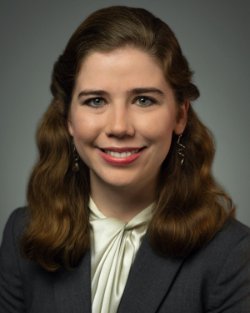
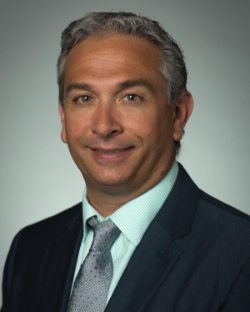
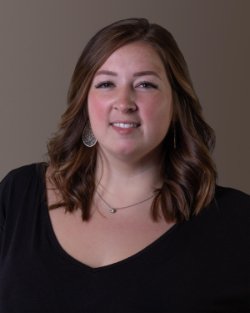

Senior Manager, Internal Audit
Forvis Mazars US
Norton Rose Fulbright