
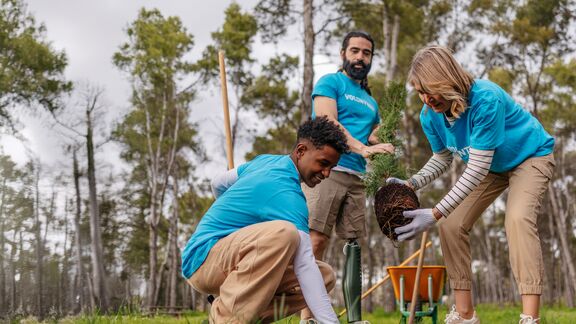
Volunteerism is gaining momentum at a time when many nonprofits need it most. The data indicates increased participation, and many organizations are seeing renewed interest from individuals and corporate programs alike. People are looking for ways to contribute their time, talent, and passion.
Increasing Volunteerism
According to the U.S. Census Bureau, the number of volunteers has climbed back from the Covid-19 pandemic low, with an estimated 860 million people volunteering globally each month. In the United States, more than 75 million people volunteered in 2023 (most recent data available).
The interest and the impact are clear. In our work with nonprofit organizations across the country, we frequently hear leaders explain how important volunteers are to program delivery and mission success. Only a few years ago, a Volunteer Management Study found that 72% of nonprofit leaders believe volunteers are critical to their operations.1 Yet only 17% of those respondents said their organizations have a structured volunteer management program in place.
This represents both a challenge and an opportunity for the sector. Interest in volunteering is growing, but many organizations have not yet invested in the structure necessary to recruit, engage, and retain volunteers over the long term.
Changing Environment
The renewed interest comes at a critical time as many nonprofits are now operating in a more challenging environment than just a few years ago.
Cuts in federal funding, delays in reimbursements, and escalating operating costs have made it difficult for some organizations to carry out their work. As a result, many are cutting programs, reducing staff, and turning to volunteers to fill shortages and gaps.
Another environmental shift is who volunteers and how they do it. Younger generations are stepping up and volunteering their time and skills to causes that are important to them. Gen Z represents the fastest-growing segment of volunteers, and Gen Alpha (born in 2012 or later) is showing an interest in helping families, neighbors, and their schools. The American Red Cross has reported that 42% of its volunteers are Gen Z.2
Unlike older generations, these age groups gravitate toward episodic or micro-volunteering, defined as short, flexible, project-based commitments. The more traditional long-term engagements don’t offer the flexibility that they desire.
Supporting Volunteers Through Structure
Passion often brings volunteers to an organization’s doorstep. However, passion alone is simply not enough to keep them engaged for longer term or several project-based commitments to one organization. To keep volunteers connected and focused, they need the following:
- Clear job/project descriptions and requirements
- Orientation and onboarding
- Ongoing communication and support
- Recognition highlighting their contributions
Organizations with strong volunteer programs understand the importance of these essentials to volunteer engagement.
Volunteers also have a desire to build meaningful relationships. Retention rates are improved when volunteers develop friendships with other volunteers or find a mentor within the organization’s staff, and experience a sense of belonging within their community.
A 2012 landmark study published in Psychological Science found that there is a “sweet spot” for volunteers’ time.3 It says that committing to two to four hours per week is optimal for gaining satisfaction from the experience without interfering with other important personal obligations. Less than two hours might result in lower satisfaction, while over-committing is likely to cause burnout and high attrition.
Meaningful Change of Pace
It’s common to find professionals like attorneys and accountants volunteering their time on nonprofit boards. Many find it fulfilling to use their education and experience to help others. But some volunteers are looking for a change of pace, a diversion from their day jobs, and a detachment from daily stressors. For professionals who tend to spend most of their days in meetings or sitting at a desk, volunteering to sweep floors or stack groceries might be a refreshing change.
The value that volunteers bring is, in some ways, immeasurable and yet there is an actual dollar value that can be attributed to their time. The Independent Sector in partnership with the University of Maryland calculates this value by using what they call a “wage-replacement,” or the cost of paying someone to provide services. The national average is $36.14 per hour.4 Organizations widely use this hourly dollar amount to measure and demonstrate the impact of volunteers’ work.
Moving Forward With Intention
The current environment presents a meaningful opportunity for nonprofit organizations. Volunteer interest remains strong, and corporate engagement continues to expand. Corporations use volunteer opportunities to demonstrate their commitment to the broader community and to keep their younger and community-minded staff engaged with the company’s culture.
Organizations that want to build a strong volunteer program should consider motives, expectations, training, and support. They should consider the following questions:
- Motives: Why does someone want to volunteer with us?
- Expectations: How do we make sure volunteers understand the project?
- Training: What is needed to prepare volunteers to succeed in the tasks?
- Support: How should we recognize their contributions?
When nonprofits provide clarity, flexibility, and support, their volunteers become potential ambassadors, donors, board members, and great community advocates. Watch our webinar recording, “Volunteerism in Transition: Strategies for Nonprofits,” for additional insights.
How Forvis Mazars Can Help
We’re committed to helping those who serve the greater good. Nonprofits come in a multitude of shapes and sizes. We leverage our in-depth experience working with a wide variety of organizations. Combining our passion for delivering an Unmatched Client Experience® with our Nonprofit team’s extensive industry experience and community engagement, we can help your organization prepare for what’s next. Explore our Nonprofit Advisory Services and reach out to one of our professionals today.
- 1“The State of Volunteer Engagement: Insights From Nonprofit Leaders and Funders,” dogood.umd.edu, February 7, 2023.
- 2“Red Cross Volunteer Force Surges 25% – Drive by Gen Z, redcross.org, March 4, 2026.
- 3“Giving Time Gives You Time,” Psychological Science, 2012.
- 4“Value of Volunteer Time,” independentsector.org, April 21, 2026.